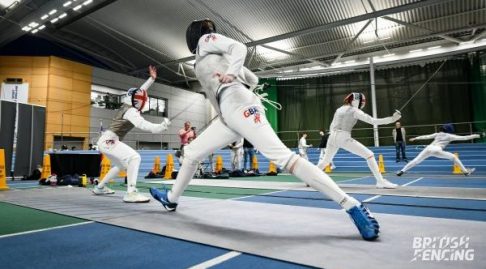
A reminder to parents of the expectations when they are supporting their fencers at international competitions.
When athletes are selected to represent GBR, they and their parents become ambassadors of BF, both on and off the piste. While the spotlight often shines on athletes and coaches, the role of a parent at these events is equally crucial, regardless of fencing experience or the presence of a GBR coach.
Parents are encouraged to focus on the effort their child puts into training and competition, rather than the final result. This approach helps foster long-term engagement, as fencers learn to enjoy the process and feel valued for what they can control.
Creating a safe and supportive environment, by asking open-ended questions and actively listening, can make a significant difference in a young athlete’s experience.
When GBR fencers compete against each other, parents are asked to remain neutral and applaud respectfully for both athletes. This helps to reinforce the sense of belonging to one GBR team and promotes mutual respect. A unified approach strengthens squad identity and encourages intra-squad support, especially during team events and major championships.
More details on the GBR vs GBR supporting policy can be found here.
First and foremost, all participants in any fencing environment are expected to uphold the BF Code of Conduct.
Parents play a vital role in shaping the sporting environment. Let coaches do the coaching, and allow fencers to make mistakes and learn from them.
Offering fencing-specific advice during or after matches can unintentionally take away valuable learning opportunities. Supporting independence and resilience is key to long-term development.
Equally, being respectful to referees is paramount. If a fencer sees a parent arguing with a referee, they are likely to mirror that behaviour.
To help parents stay informed and prepared, they are asked to complete the following:
We recognise that some parents or clubs may choose to fund personal coaches for events. In these cases, the same standards of behaviour apply. Personal coaches must not be placed under pressure to act in ways that conflict with the best interests of GBR fencers.
While fencing offers joy, discipline, and achievement, it’s important to help young athletes maintain a balanced lifestyle. Remind them that fencing is just one part of a rich and varied life.
Their identity and self-worth should never be tied solely to performance or results. Encourage time for academics, friendships and rest to support their overall wellbeing.
Don’t miss the latest news. Subscribe to our weekly summary email, The Fencing Digest, including the previous week’s latest news and announcements. Sign up here.