“The enthusiasm of volunteers in Uniformed Groups across the country to introduce fencing to hundreds of young people, through a games-based and fun approach is brilliant for the sport. However, due to the demand to engage in multiple activities at their sessions, these volunteers often can’t develop their young people further in the sport, this is were fencing clubs can get involved and provide the next steps in a young person’s fencing journey.”
Virginia Bailey, Participation Director
Benefits of developing a relationship between fencing clubs and Uniformed Groups include:
There are a number of ways that a club could develop a relationship with a local Uniformed Group and vice versa:
ACCESS TO VENUES
We know that it can be challenging for fencing clubs to source venues to train on a weekly basis that are accessible, have sufficient storage and for it to be affordable. By building a relationship with your local Uniformed Group, such as a Scout or GirlGuiding group, you might be able to access their venue on an evening, if they are not using it.
For the Uniformed Group sharing a venue with a fencing club, this can benefit them by allowing access to equipment and coaching support from fencing coaches, if time and resource allows.
By building a relationship with your local fencing club or Uniformed Group, decide what works best for you both – Should a fencing coach attend the Uniformed Group patrol night, or would it be best for the group to attend the local fencing club where they can see the sport in action?
Simon, a fencing coach who is actively involved in supporting local Scout groups, his advice is:
“The first thing we must consider is where to hold the sessions. Assuming you have the venue and space for it, I suggest you run it at your club. Ideally on a club night, where not only can they take part in that session, but they can see fencers in action either in a group or on an electric piste with flashing lights.”
“Not only do they favour that atmosphere at the club, but it also gives them a sense of aspiration. It also gives you the opportunity of getting the parents to watch, rather than letting them sit in the car waiting for the session to finish. Alternatively, if you have the resources, you could visit them on a patrol night. Generally, you will be limited with space, but unless you have a clash of nights, this may be the best option. About 80% of our sessions are done away from the venue, as we don’t have the space available on a club night.”
MAXIMISING EQUIPMENT
The majority of Uniformed Group leaders will be using plastic equipment to deliver their sessions; this is what they use on the Core Coach course. A great way to encourage young people to consider continuing their fencing journey in a fencing club, is to visit a Uniformed Group session and allow them to experience using metal fencing equipment in their own environment. A good time to try this is towards the end of the block of sessions, as it’s a great way to finish off their first experience of fencing, with the full metal kit!
We know that fencing equipment can be costly, so we would encourage Uniformed Groups and fencing clubs to look at opportunities to jointly apply for funding when looking at increasing their equipment provisions, in particular if sharing venues and building longer term connections.
LONG-TERM CONNECTIONS
Once you have built a connection with your local fencing club or Uniformed Group, consider how you can continue to work and support each other. It may be that clubs develop club membership through a few taster sessions, or through delivering a ‘GB League’ style event for both the club and the Uniformed Group. Alternatively, clubs and Uniformed Groups may want to develop their workforce, and work collaboratively to put on a coaching course or leadership course.

Activate your free, 90 day membership to British Fencing today. Membership insures you to fence at any British Fencing club.
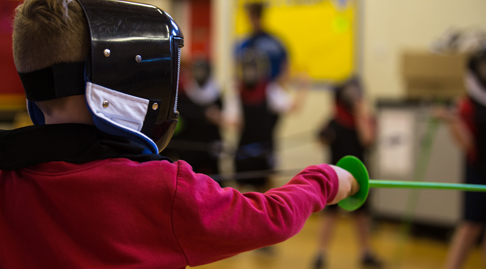
Does your organisation want to bring fencing to your community? Explore our Core Coach course, no experience required.
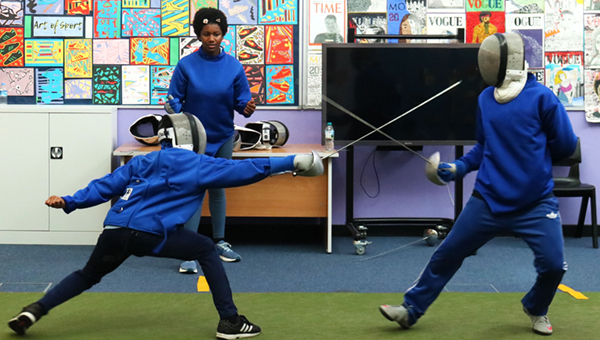
Start your journey to becoming a community fencing coach. Introduce fencing to pupils for as little as £25. Find out more today.